Audi RS5 Avant (2026): the hybrid aiming for the Nürburgring
The Audi RS5 Avant 2026 swaps the V8 for a 639 hp twin-turbo hybrid V6. A family car built for the track, dissected without frills.
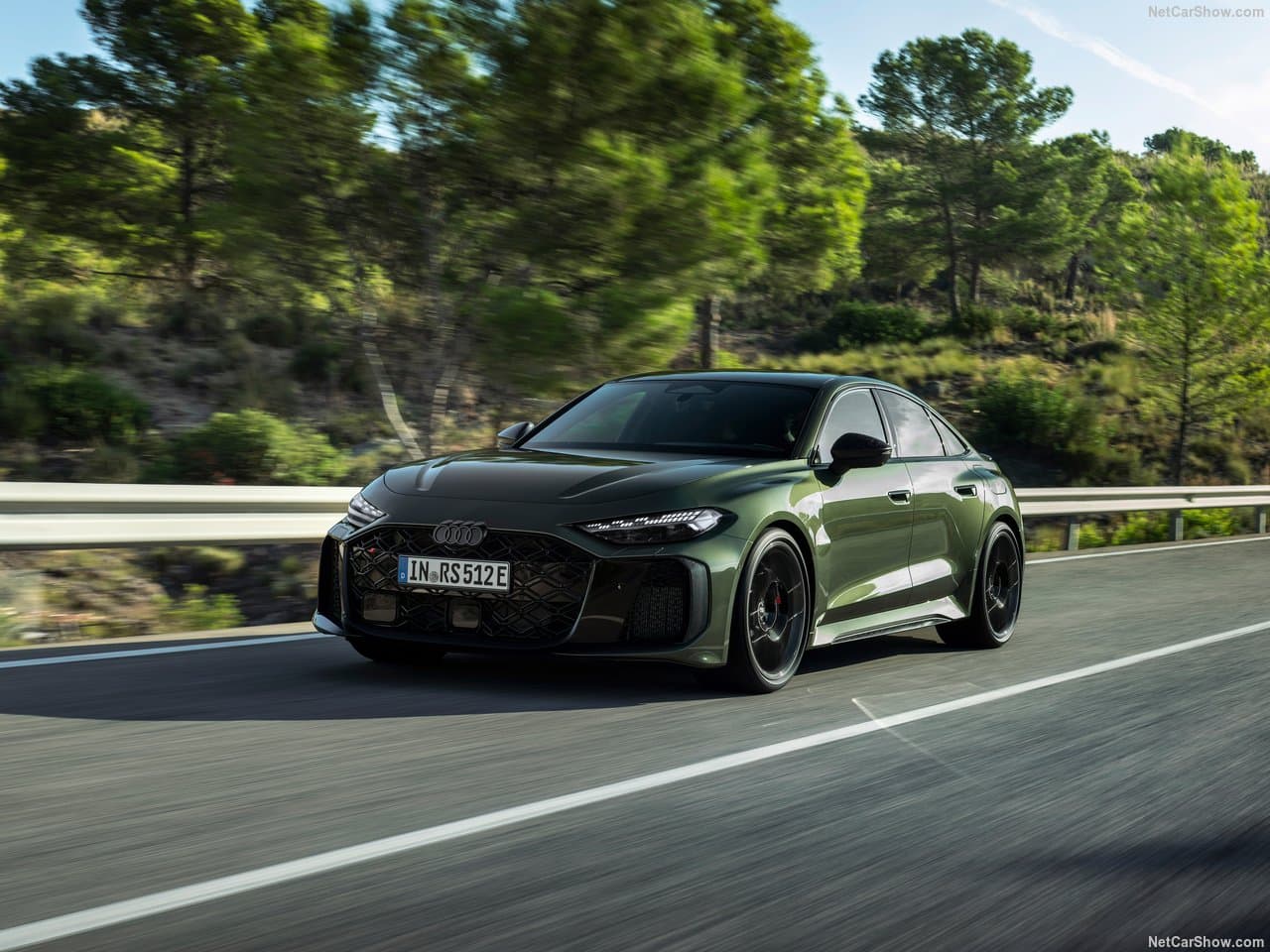
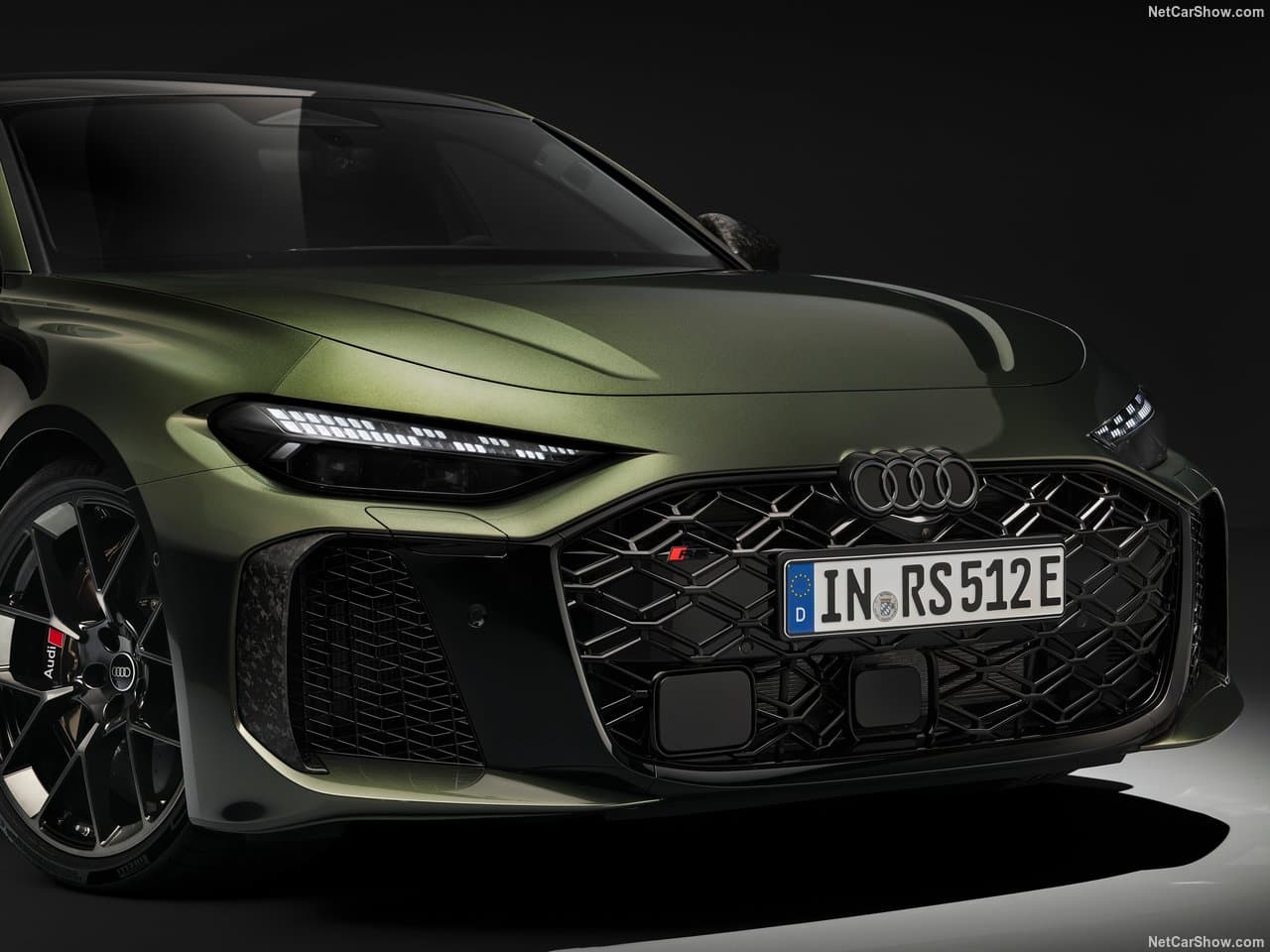
A 639 hp estate aiming for a lap time at the Nürburgring: this is the deliberate paradox of the Audi RS5 Avant 2026. This model marks a turning point, as it abandons the pure combustion format for a hybrid architecture, while keeping the versatility DNA that defines the Avant range.
Before getting into the detail, one point needs clarifying, as it can cause confusion. Since the overhaul of its naming scheme, Audi reserves odd numbers (A5, S5, RS5) for combustion and hybrid models, and even numbers for fully electric models. The RS5 Avant 2026 is therefore not the direct heir of the old RS5 coupe: it takes over from the RS4 Avant. This simple shift in designation sums up the entire strategy of the Ingolstadt manufacturer.
Why is Audi renaming its RS4 as the RS5 Avant?
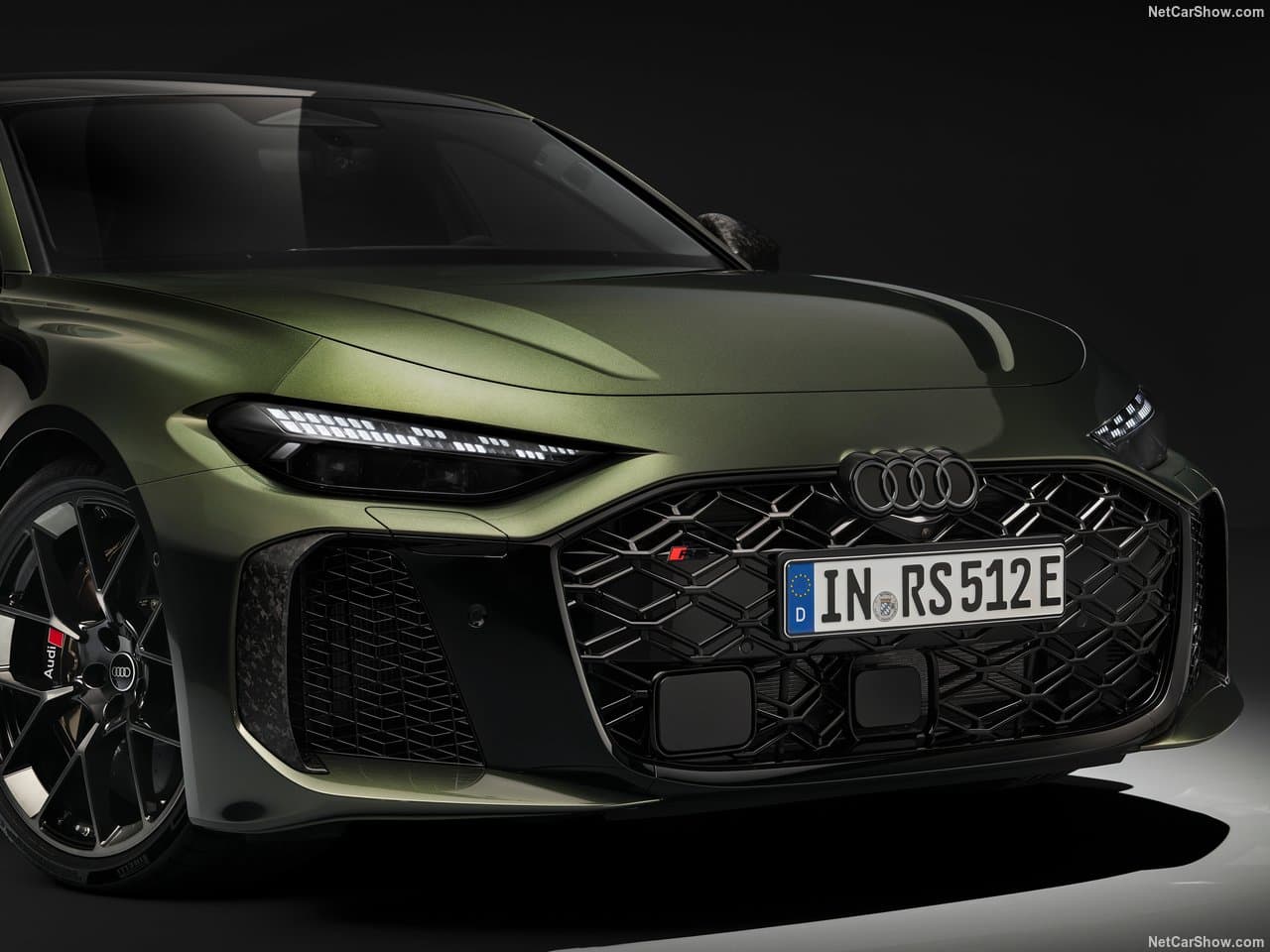
The question is worth asking, because it shapes the understanding of the whole performance range. By grouping combustion and hybrid powertrains under odd numbers, Audi creates a new clarity: a customer torn between combustion and electric knows immediately where to look. The RS5 Avant thus occupies the hybrid sports estate niche, while a future even-numbered body would embody the fully electric equivalent.
This choice is not just a marketing matter. It reflects an industrial reality: the gradual introduction of hybridisation on the highest-performing models, without a jarring break for a clientele still attached to the sound and mechanics of a combustion engine.
The structuring elements of this repositioning:
- Odd numbers: combustion and hybrid range (A5, S5, RS5).
- Even numbers: fully electric range.
- The RS5 Avant functionally replaces the old RS4 Avant.
- Hybridisation becomes the norm on the most powerful RS models.
How good is the RS5 Avant 2026's hybrid powertrain?
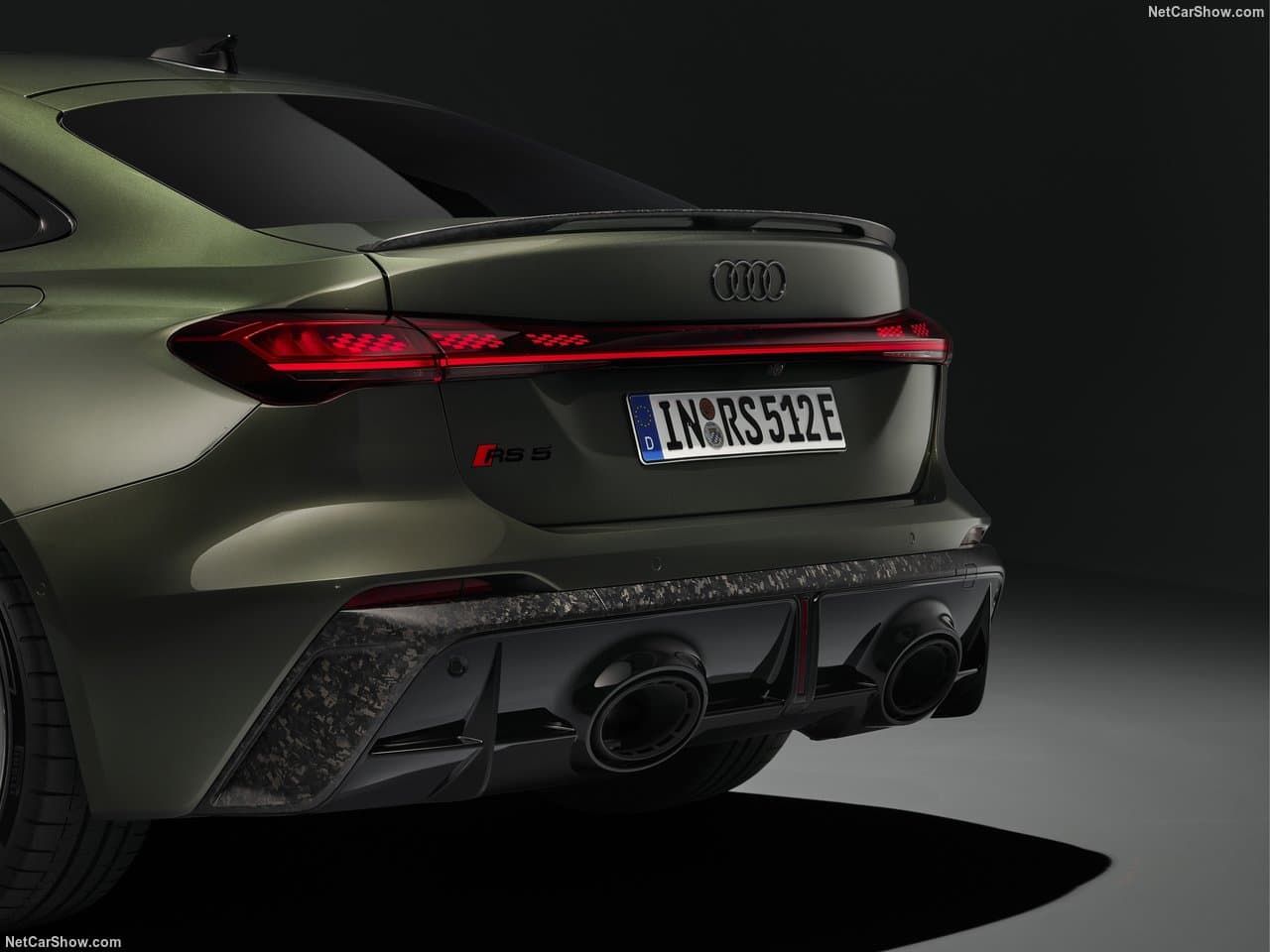
This is the heart of the matter. The Audi RS5 Avant pairs a 2.9-litre twin-turbo V6 with a 130 kW electric motor. This combination delivers a total system output of 470 kW, or 639 hp, along with 825 Nm of torque. Figures that place the estate straight into the category of the beefiest sports cars of its size.
The 825 Nm of torque is perhaps the most telling figure. On a family estate intended just as much for daily commutes as for track outings, this mechanical generosity promises constant flexibility, whatever the pace. The electric motor's contribution also fills the response gap of the turbos at low revs, a historic weakness of supercharged architectures.
The technical data confirmed at this stage:
- Combustion unit: 2.9-litre twin-turbo V6.
- Electric motor: 130 kW.
- Total system output: 470 kW (639 hp).
- Maximum torque: 825 Nm.
We remain deliberately cautious on the other indicators. The battery capacity, the electric-mode range, the 0 to 100 km/h time or the charging speed have not yet been confirmed by reliable sources at the time of writing. We prefer to state nothing rather than relay unverified estimates.
Can it really take on the Nürburgring?
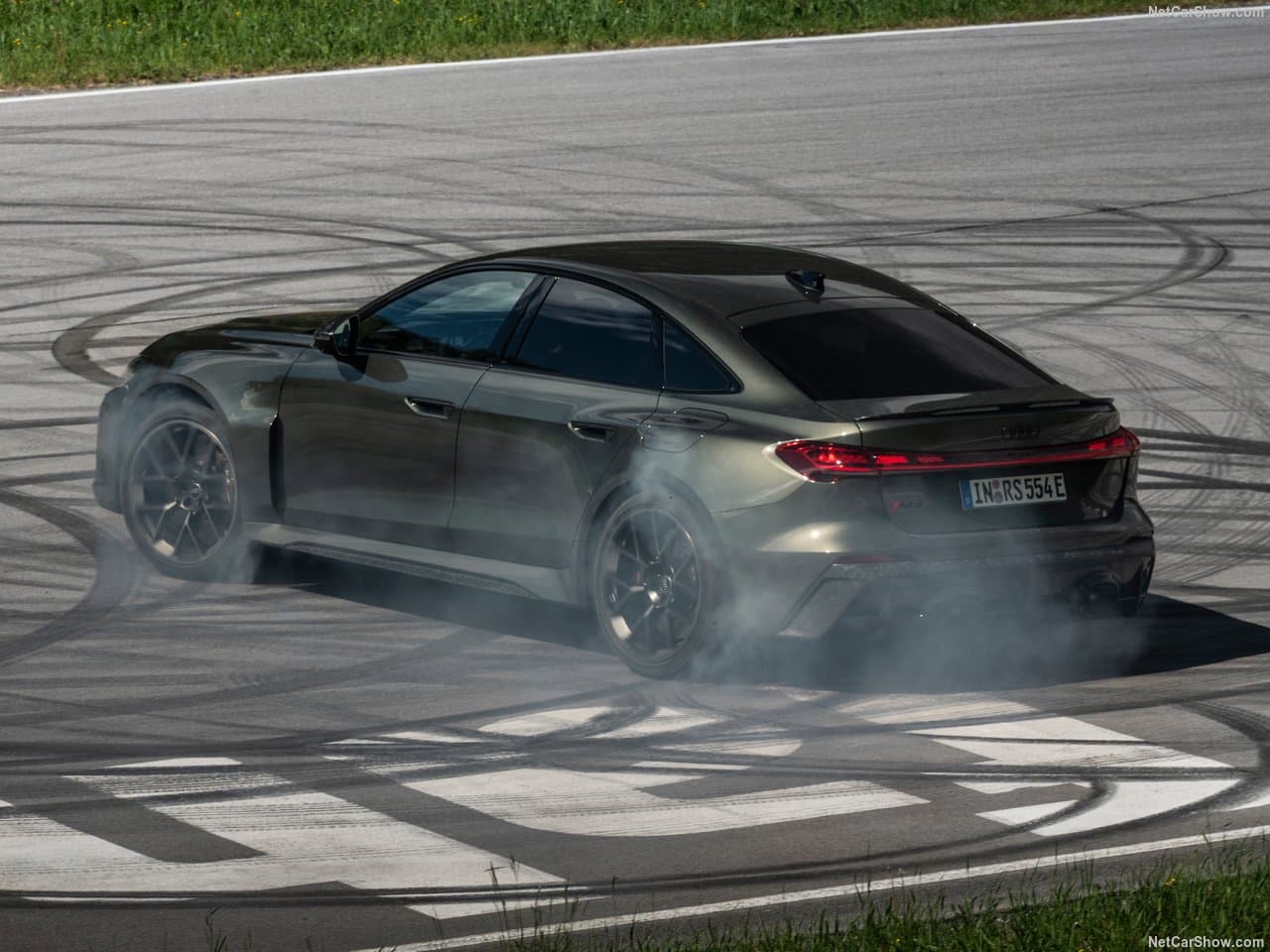
The idea of taking an estate onto the Nordschleife may seem counterintuitive. Yet it fits a well-established tradition at Audi Sport: demonstrating that a vehicle capable of carrying a family and its luggage can also keep up a strong pace on one of the most demanding tracks in the world.
With 639 hp and 825 Nm, the RS5 Avant has the mechanical arguments for this exercise. The extra weight linked to hybridisation, however, poses a major challenge: the battery and the electric motor add mass, which puts more strain on the front axle, the brakes and the tyres. The quattro all-wheel drive, a hallmark of the marque, should help exploit all this horsepower without loss of traction.
What is really at stake in this kind of extreme test:
- Thermal management of the battery under prolonged strain.
- Brake resistance faced with hybrid overweight.
- The chassis balance between road comfort and track precision.
- The coherence between electric contribution and combustion pull at high revs.
Who is the Audi RS5 Avant 2026 for?
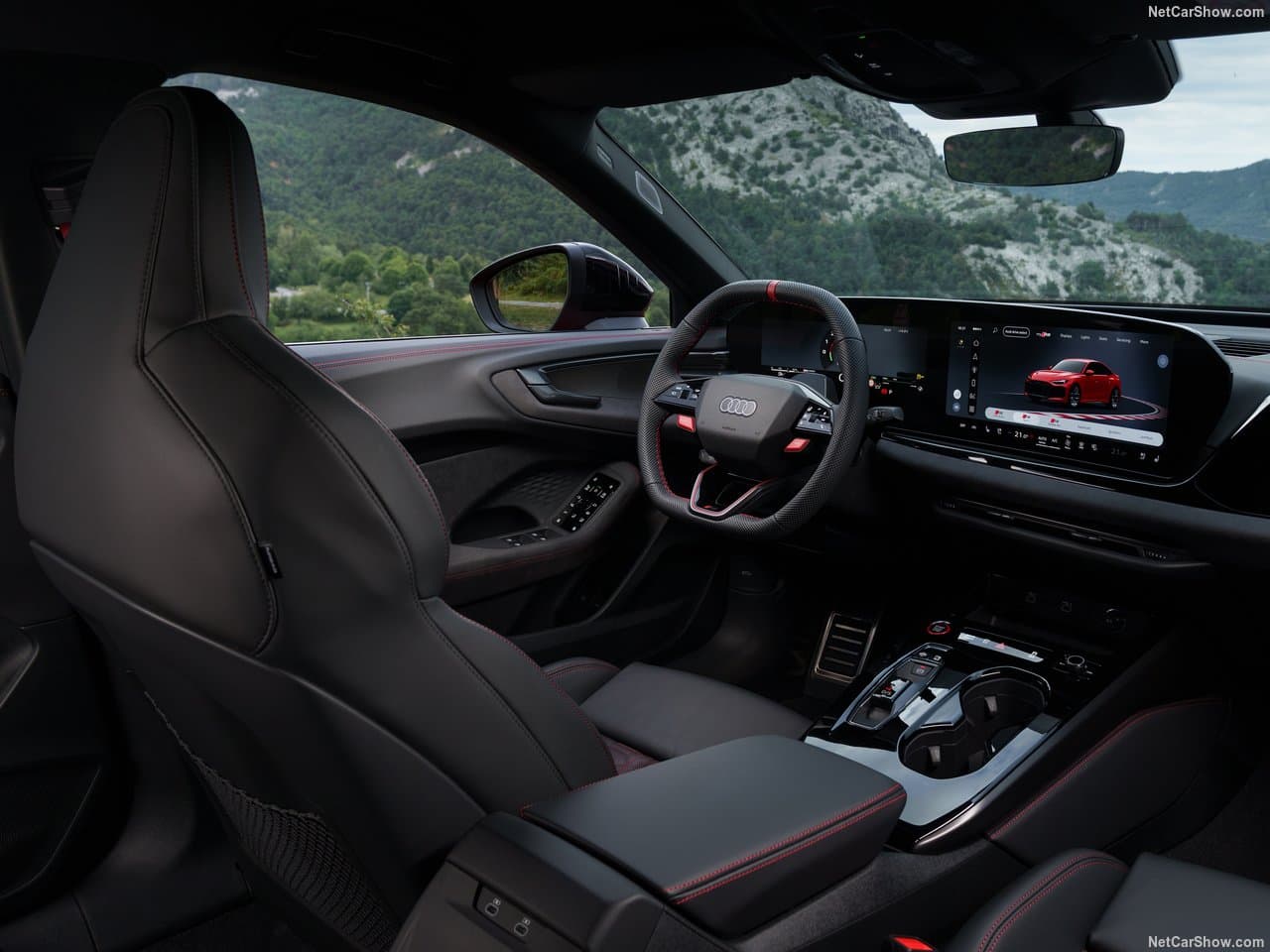
The typical customer profile is fairly precise. They are looking for a single vehicle able to cover all their needs: driving the kids to school, eating up motorway miles and, occasionally, treating themselves to a dynamic session. The Avant estate answers exactly this demand, where a coupe or a saloon would impose interior-space compromises.
Hybridisation adds a further dimension: the ability to drive on electric power over short urban trips, which lowers average consumption and eases access to low-emission zones. An argument that has become decisive in markets such as Luxembourg, Belgium, France and Switzerland, where regulations are tightening.
The profiles for whom the RS5 Avant makes sense:
- Demanding families who refuse to sacrifice driving pleasure.
- High-mileage drivers seeking comfort and strong acceleration.
- Enthusiasts tempted by the occasional track day without a second vehicle.
- Urban drivers mindful of low-emission zones.
How does it stack up against its rivals?
In the premium sports estate segment, the Audi RS5 Avant faces two historic benchmarks: the BMW M3 Touring and the Mercedes-AMG C 63 S E Performance. To stay honest, we compare here only the elements whose reliability is established, and clearly flag the data still to be confirmed.
Audi RS5 Avant (2026)
- Architecture: 2.9 l twin-turbo hybrid V6.
- Electric motor: 130 kW.
- System output: 470 kW (639 hp).
- Torque: 825 Nm.
- Drivetrain: quattro all-wheel drive.
BMW M3 Touring
- Architecture: twin-turbo inline six-cylinder, combustion.
- Electric motor: not applicable (combustion powertrain).
- System output: to be confirmed.
- Torque: to be confirmed.
- Drivetrain: xDrive all-wheel drive depending on versions.
Mercedes-AMG C 63 S E Performance
- Architecture: 2.0 l four-cylinder plug-in hybrid.
- Electric motor: integrated into the hybrid drivetrain (to be confirmed).
- System output: to be confirmed.
- Torque: to be confirmed.
- Drivetrain: 4Matic+ all-wheel drive.
This comparison above all illustrates a divergence in philosophy. BMW keeps a large combustion six-cylinder, Mercedes-AMG bets on an electrified four-cylinder, and Audi chooses a middle path with its hybrid V6. Three different answers to the same question: how to reconcile performance and electrification.
Our verdict on the Audi RS5 Avant 2026
On the basis of confirmed data, the Audi RS5 Avant 2026 holds a clear promise: that of a family estate with 639 hp of power and 825 Nm of torque, without giving up the versatility that makes the Avant range so appealing. Hybridisation here is not a compromise endured, but a way of adding instant torque and everyday usability.
The definitive verdict, however, remains pending on several unknowns: real electric range, combustion behaviour on track, and above all mastery of the overweight inherent to hybridisation. Until these elements are confirmed by independent tests, we will refrain from concluding on the exact ranking of the RS5 Avant against its rivals. What we can state is that it arrives with serious arguments and a technological strategy it fully owns.
FAQ: Audi RS5 Avant 2026
What is the power of the Audi RS5 Avant 2026?
It develops a total system output of 470 kW, or 639 hp, thanks to a 2.9-litre twin-turbo V6 paired with a 130 kW electric motor.
Does the Audi RS5 Avant replace the RS4?
Yes, functionally. The new Audi naming scheme reserves odd numbers for combustion and hybrid models, so the RS5 Avant takes over from the old RS4 Avant.
Is the Audi RS5 Avant a plug-in hybrid?
It is based on a hybrid architecture combining a combustion engine and a 130 kW electric motor. The precise charging arrangements and the electric range remain to be confirmed by official sources.
What torque does the Audi RS5 Avant 2026 develop?
Maximum torque reaches 825 Nm, a high figure for an estate, which guarantees strong acceleration across the rev range.
What are the rivals of the Audi RS5 Avant?
Its main competitors in the premium sports estate segment are the BMW M3 Touring and the Mercedes-AMG C 63 S E Performance.
In summary
The Audi RS5 Avant 2026 embodies Audi Sport's smooth transition towards hybridisation. With 639 hp, 825 Nm and a twin-turbo V6 architecture backed by a 130 kW electric motor, it keeps the spirit of the sports estate while integrating the constraints of its era. Several figures remain to be confirmed, but the intent is crystal clear: total versatility, from the school car park to the track.
At Turismo, we believe this kind of vehicle is better appreciated in use than on a spec sheet. That is why our all-inclusive premium car subscription lets you drive a high-end sports car without any purchase commitment, with insurance, maintenance and flexibility brought together in a single monthly payment.
Fancy living with an estate of character every day? Discover the models available on subscription with Turismo, in Luxembourg, Belgium, France and Switzerland.
Compare the plans, choose the duration that suits you and take the wheel without the constraints of ownership. The Turismo subscription turns automotive demands into a simple monthly subscription: request your access today.
Sources(12)
- 2026 Audi RS5 Avant Specs, Performance & Photos - autoevolution
- 2026 Audi RS5 Revealed: Monster Hybrid V6 Power, But Substantially Heavier
- Tested: 2026 Audi RS5 - Full review, price & features | Autocar
- New Audi RS 5 Avant 2026 | Audi Hybrid Car | Audi Middle East
- 2026 Audi RS 5 Hybrid flagship launch features 470 kW powertrain and advanced quattro technology | Technetbook
- The new Audi RS 5: high performance in a hybrid | audi.com
- Audi RS5 Avant Review | 639 hp Plug-in Hybrid Super-Estate Tested
- The 2027 Audi RS5 is Audi Sport’s First Plug-In Hybrid
- 2026 Audi RS5 Avant - Nurburgring Testing
- Der neue Audi RS 5 (2026) klingt verdammt gut
- Essai extrême Audi RS5 (2026) : le break hybride affronte le Nürburgring - L'argus
- 2026 Audi RS5 Sedan Sounds Fast, Looks Mean Lapping The Nürburgring