Range Rover Sport Electric: 609 km, charging and how it differs from the hybrid
Unveiled at the end of September, the Range Rover Sport Electric claims 550 hp and 609 km. Its figures, its charging and what sets it apart from the plug-in hybrids in the line-up.
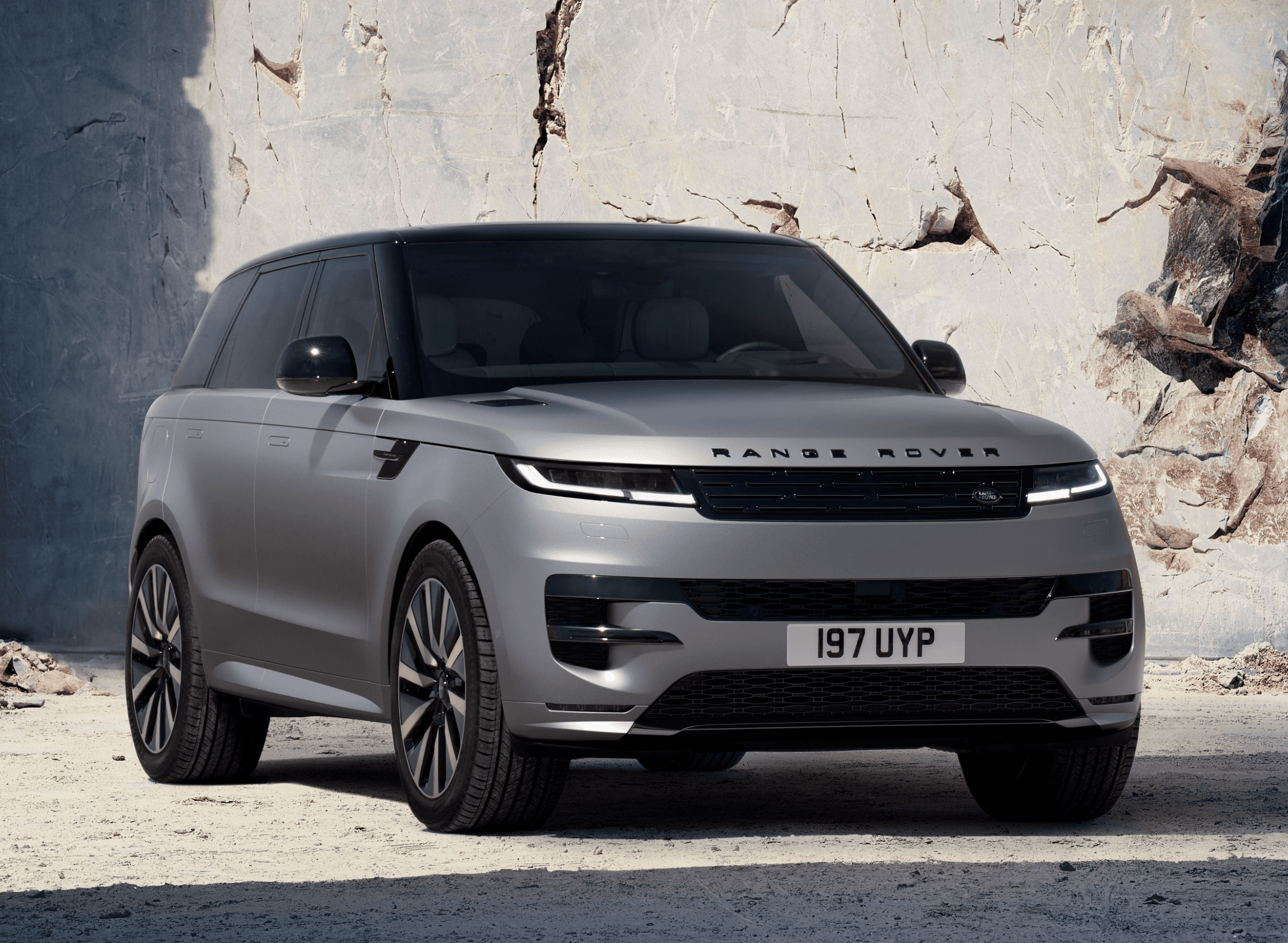
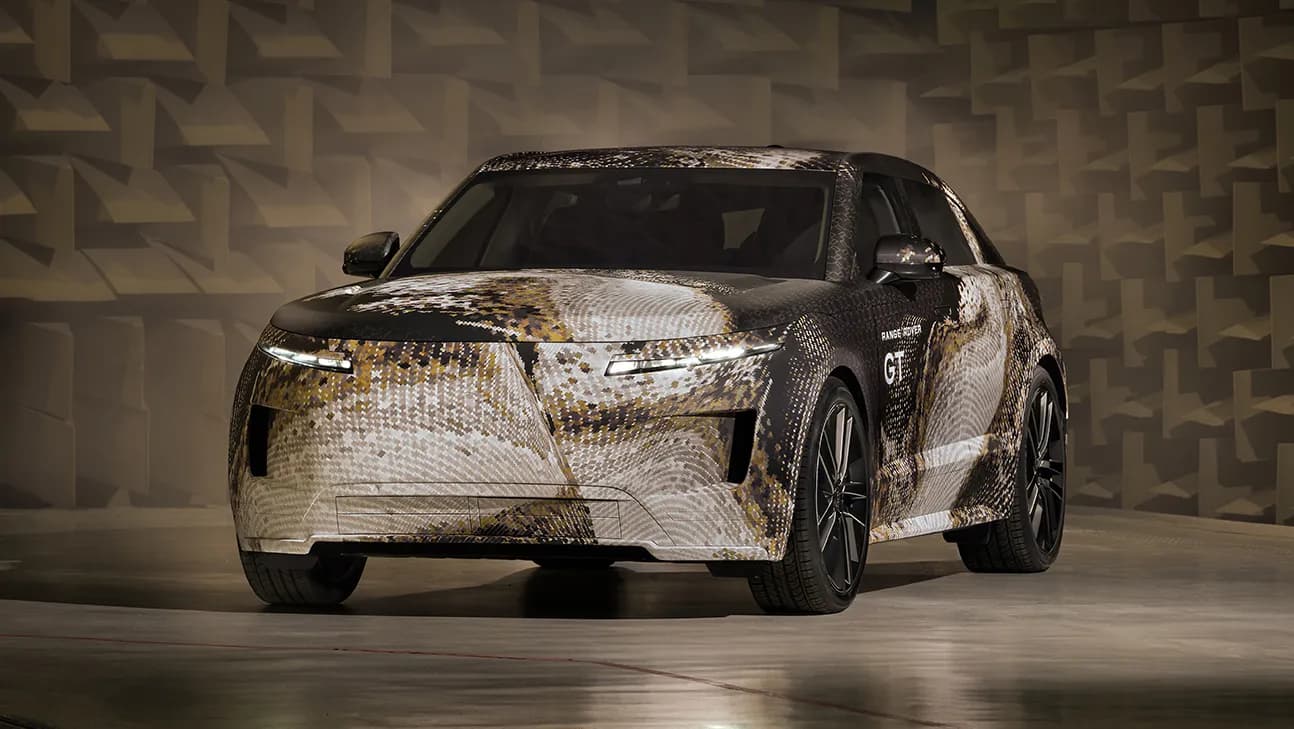
On 30 September 2026, Land Rover unveiled the electric version of the Range Rover Sport. It claims up to 550 hp and 609 km of WLTP range, and joins the two plug-in hybrids in the line-up, the P460e and P550e, which can already cover around a hundred kilometres without using any petrol.
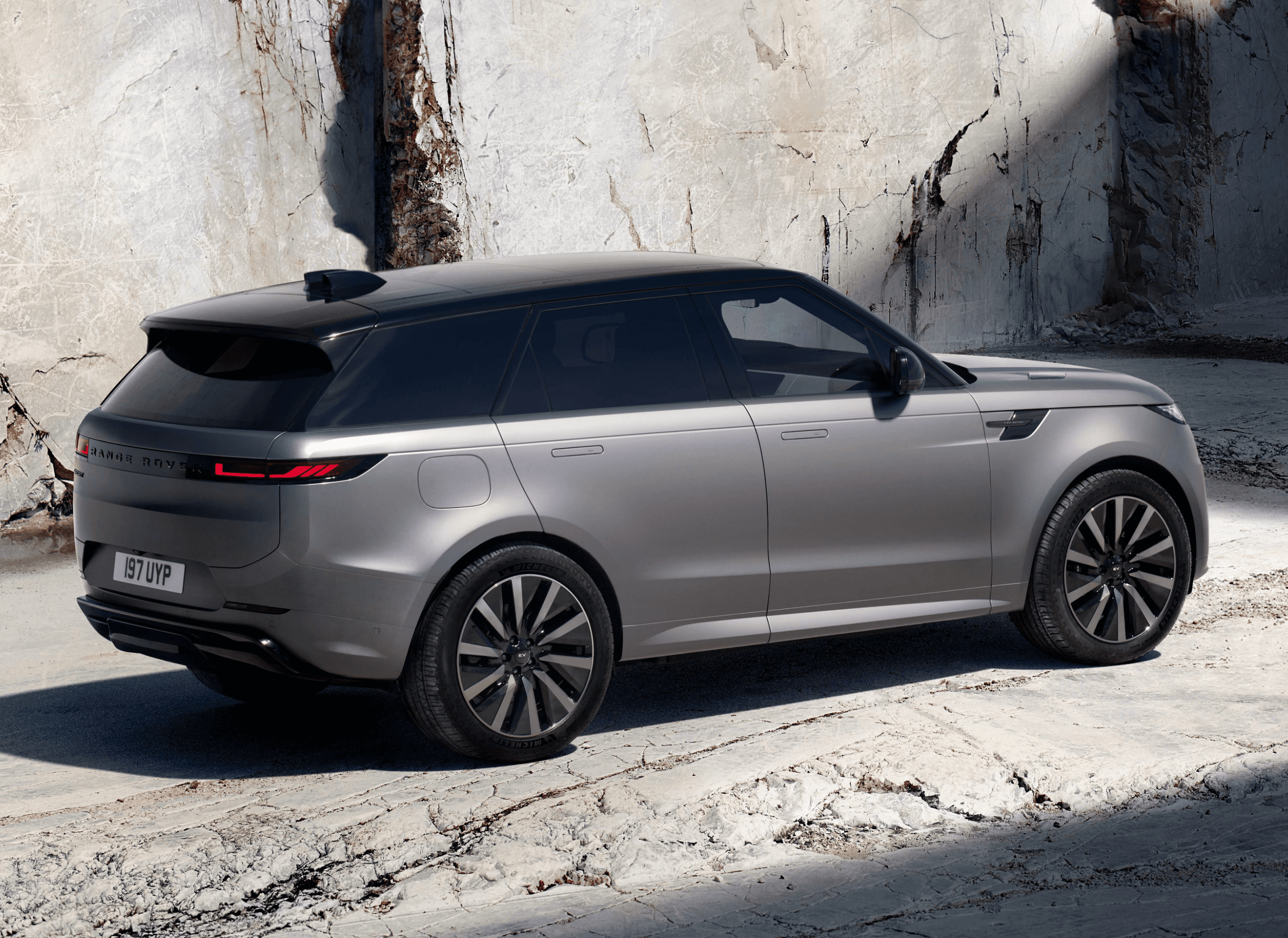
What does the Range Rover Sport Electric offer?
It uses the 800-volt base of the Range Rover Electric, unveiled a month earlier, with two 260 kW motors, all-wheel drive and a 118.5 kWh battery. The most powerful version reaches 550 hp and 850 Nm, and a 450 hp version sits below it. The 0 to 100 km/h sprint takes 4.5 seconds with Launch Control, according to the brand's French website.
- Power: up to 550 hp and 850 Nm, two motors
- Battery: 118.5 kWh
- WLTP range: up to 609 km, around 535 km in real-world use according to Land Rover
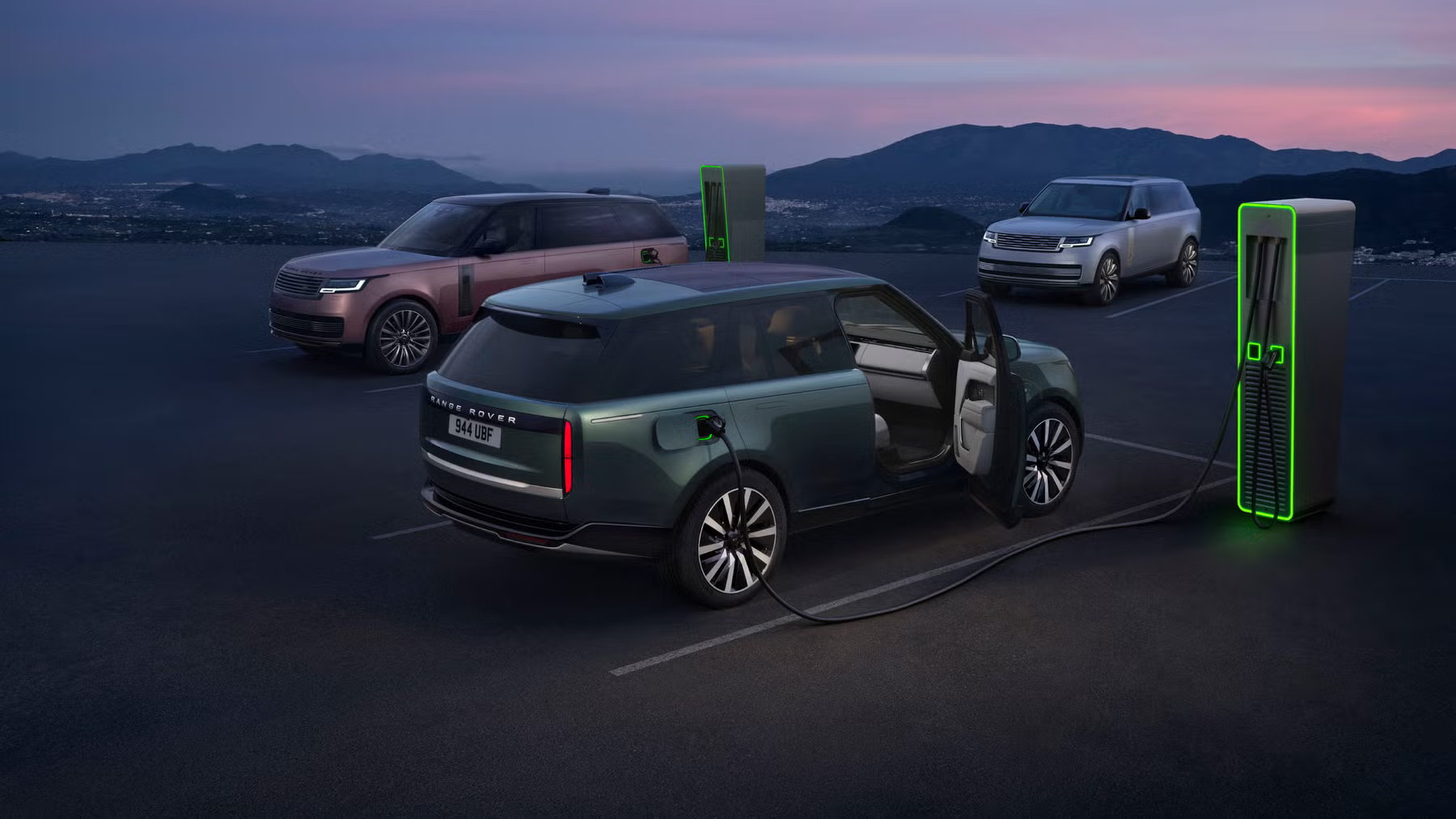
- Fast charging: up to 350 kW, 10 to 80% in about 22 minutes, 220 km added in 10 minutes
- Home charging: 22 kW, a full charge in under 7 hours
Land Rover points out that these figures are still estimates, pending final homologation. The 609 km is the best figure across the line-up, and the 550 hp version should go slightly less far.
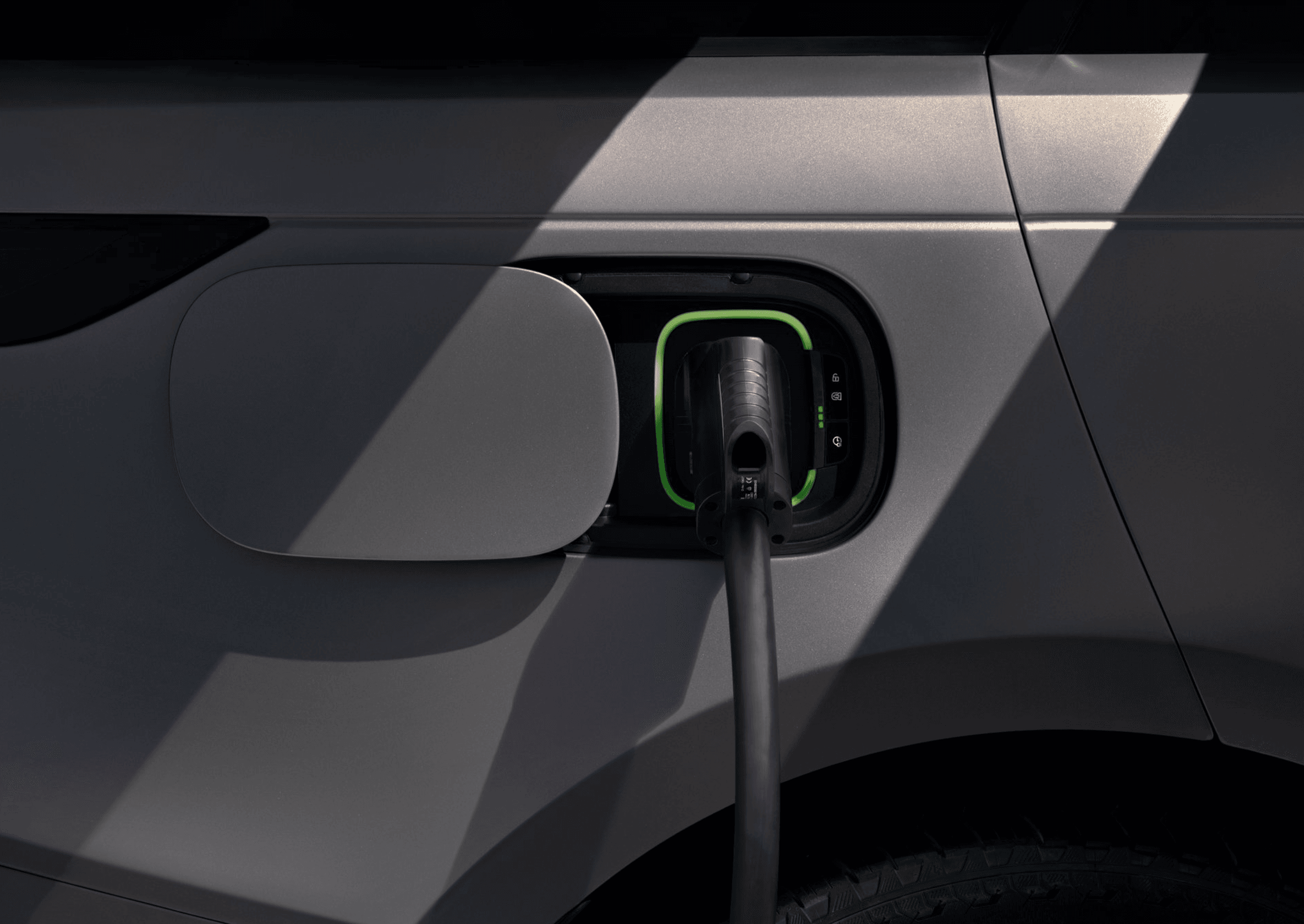
How long does the Range Rover Sport Electric take to charge?
On a 350 kW fast charger, it goes from 10 to 80% in about 22 minutes and adds 220 km in ten minutes. That is the time it takes to drink a coffee at a motorway services, despite one of the largest batteries on the market.
At home, its 22 kW onboard charger fills it in under 7 hours on a sufficiently powerful three-phase wall box. On an 11 kW wall box, more common in private homes, allow a full night.
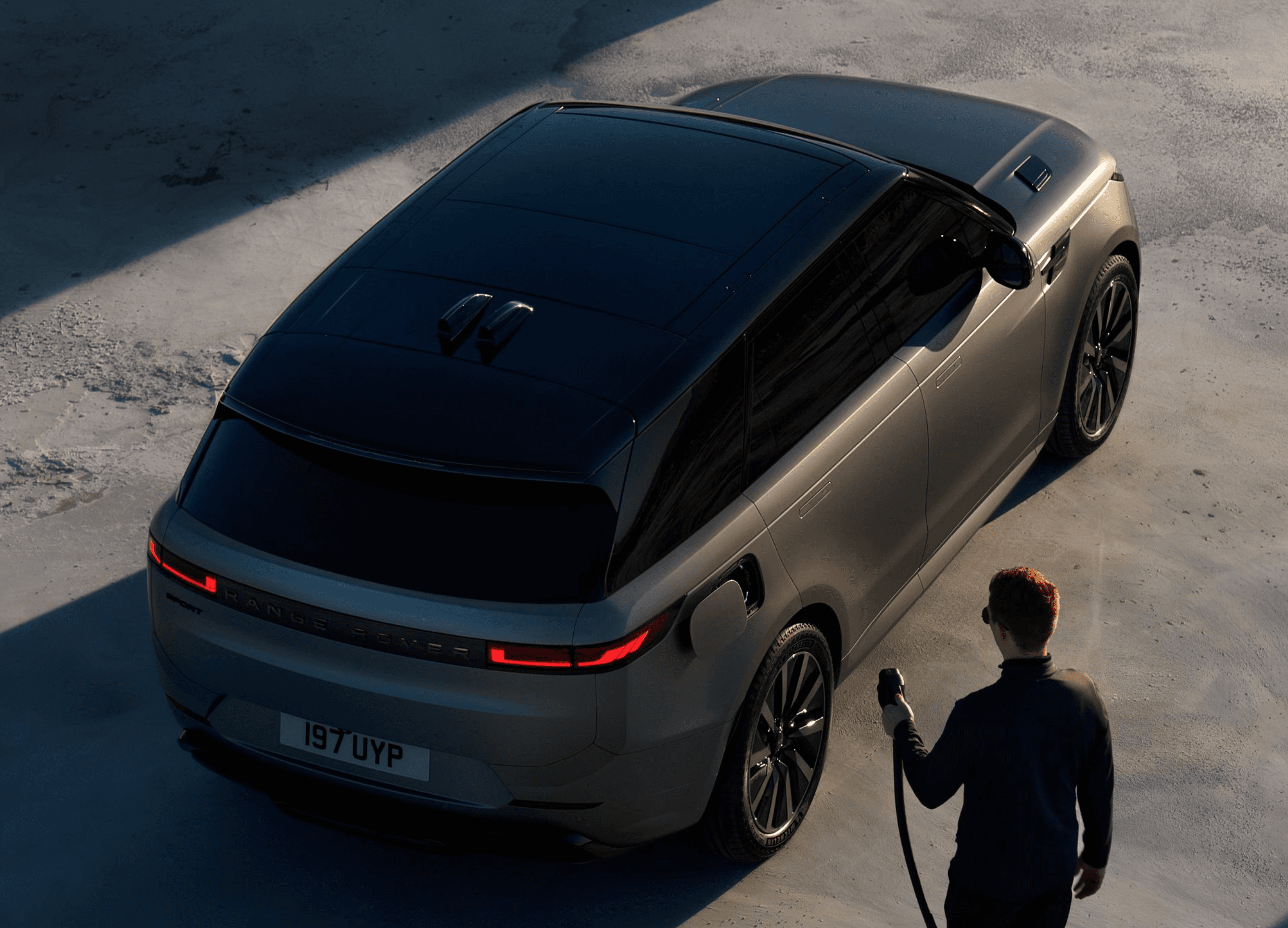
What is the difference between electric and plug-in hybrid?
The P460e and P550e plug-in hybrids combine a six-cylinder petrol engine, an electric motor and a 38.2 kWh battery. They cover 103 to 118 km on electric power according to Land Rover's technical data, enough for most of the week's journeys without petrol, and keep the combustion engine for long trips.
- P460e: 460 hp, 0 to 100 km/h in 5.6 s, electric range up to 118 km
- P550e: 550 hp, 0 to 100 km/h in 4.8 s, electric range up to 116 km
They charge more slowly, at 7 kW at home, which means 5 hours for a full charge, and 50 kW on a fast charger, which means 40 minutes to reach 80%.
The choice depends mainly on your journeys. If you can charge at home and rarely drive more than 500 km in one go, the electric version is the simplest option day to day. If you often drive long distances without reliable fast chargers along the way, the plug-in hybrid keeps the advantage of a five-minute fill-up at the pump.
How does it compare with the Range Rover Electric and the Porsche Cayenne Electric?
Its big brother shares its technology, while its German rival is already being delivered.
- Range Rover Sport Electric: up to 550 hp, 118.5 kWh, up to 609 km WLTP, 10 to 80% in 22 minutes
- Range Rover Electric: up to 550 hp, 118.5 kWh, around 600 km WLTP, 10 to 80% in 22 minutes
- Porsche Cayenne Electric: 408 to 857 hp, 113 kWh, 623 to 653 km WLTP in SUV form, 10 to 80% in under 16 minutes
The Range Rover Sport Electric goes slightly further than the Range Rover Electric, which is larger and heavier. The Cayenne charges considerably faster and offers a far more powerful version, the Turbo. The Range Rover keeps the comfort and off-road ability that built the brand's reputation.
Should you wait for the Range Rover Sport Electric?
Orders are open, but Land Rover has not yet published an official French price for the electric version, nor a delivery date. If you need a car now, the plug-in hybrid already offers around a hundred kilometres of electric driving, and the Cayenne Electric is delivered within a few weeks.
At Turismo, you can take the Porsche Cayenne Electric on subscription, delivered new in two to three weeks, or the Range Rover P460e plug-in hybrid, in Belgium, France and Luxembourg.
Frequently asked questions about the Range Rover Sport Electric
How far can the Range Rover Sport Electric go on a charge? Up to 609 km WLTP according to Land Rover, and around 535 km in real-world use. These figures remain provisional until homologation.
How much power does the Range Rover Sport Electric have? Up to 550 hp and 850 Nm from its two motors, and there is also a 450 hp version.
How much does the Range Rover Sport Electric cost? Land Rover has not yet published an official price for the electric version in France.
How quickly does it charge? About 22 minutes from 10 to 80% on a 350 kW fast charger, and under 7 hours to fill it on a 22 kW wall box.
What is the electric range of the Range Rover Sport plug-in hybrid? 103 to 118 km depending on the version, P460e or P550e, and the equipment.
In summary
The Range Rover Sport Electric claims up to 550 hp, 609 km WLTP and 10 to 80% charging in 22 minutes, figures that are still provisional. Until its prices and deliveries are confirmed, the P460e and P550e plug-in hybrids already cover more than 100 km without petrol.
Discover the Cayenne Electric and the Range Rover P460e on their car's pages at Turismo, with the all-inclusive monthly payment for your country.