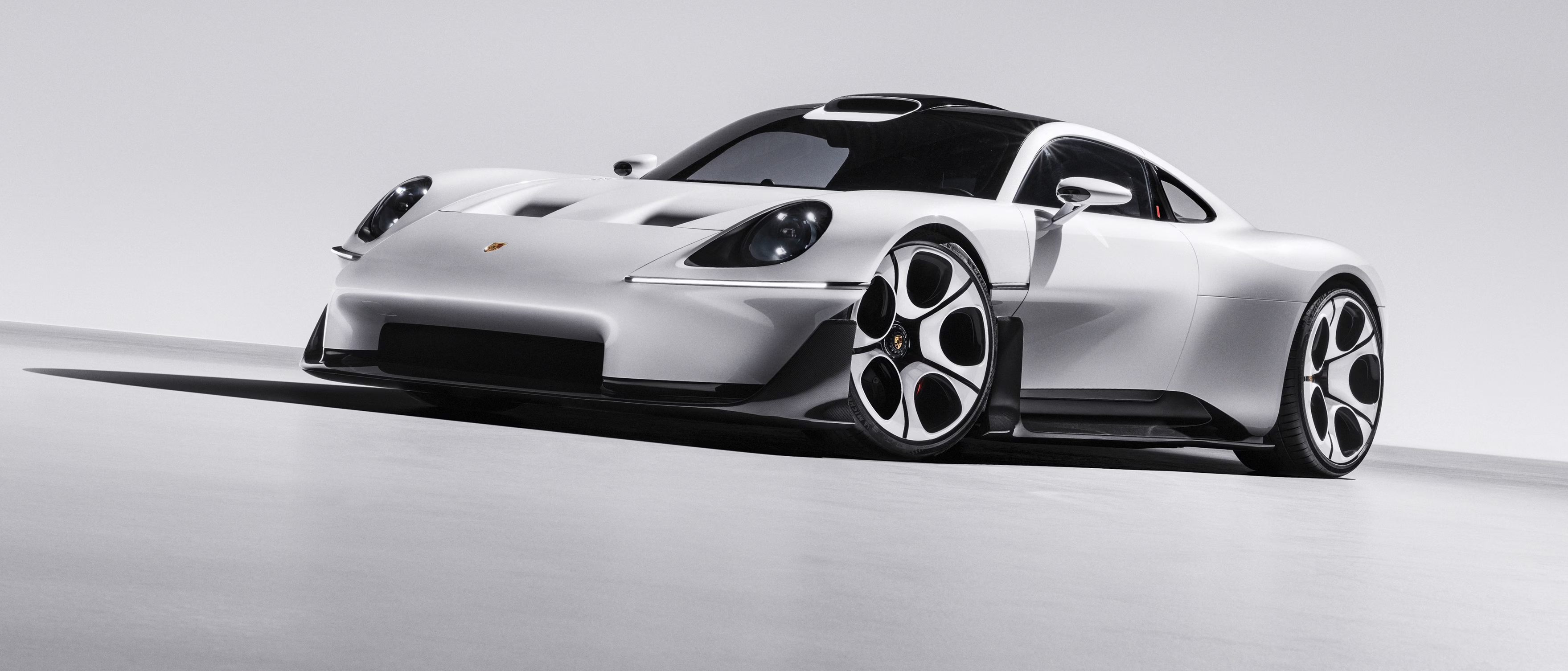
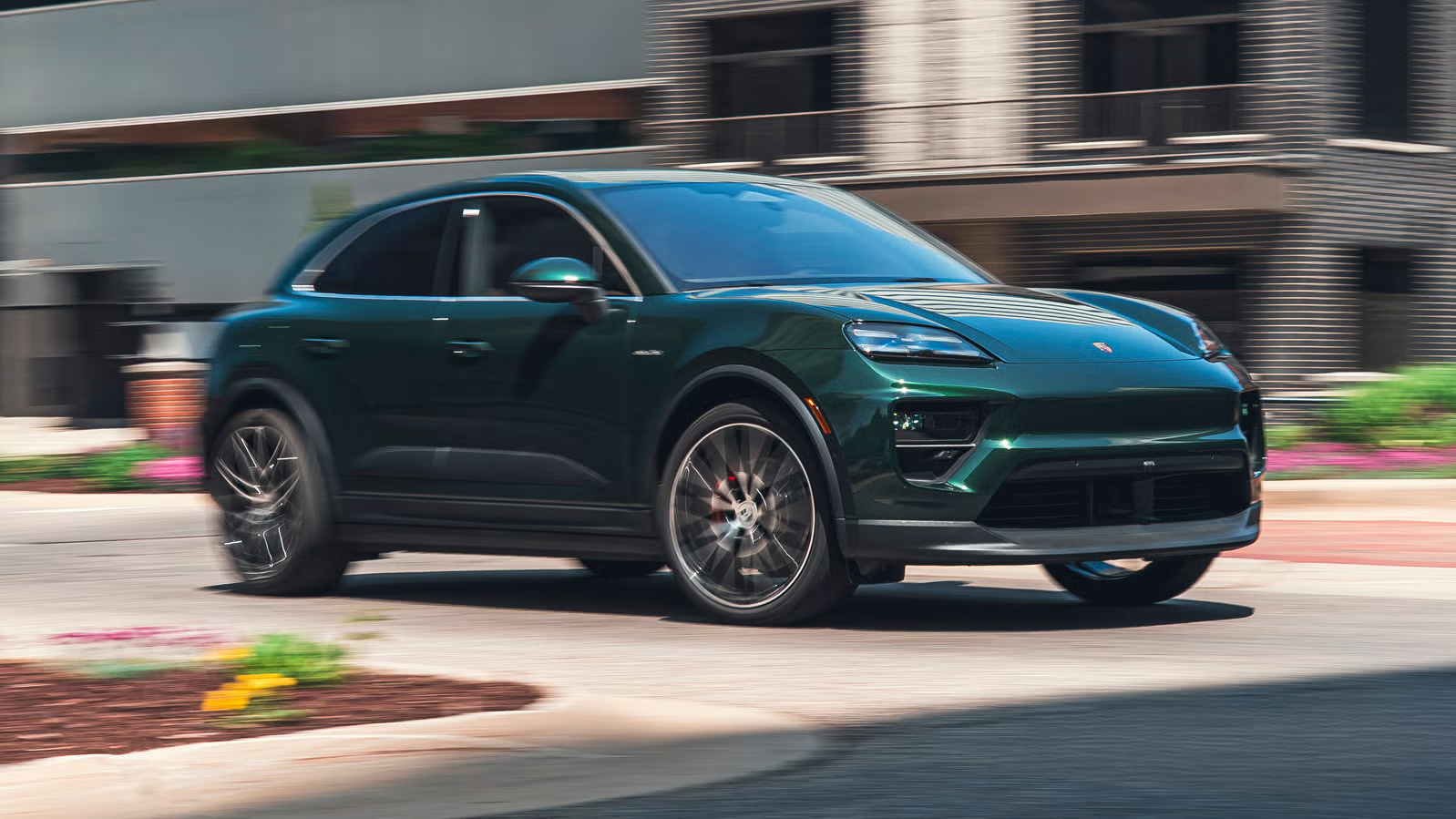
Porsche: Falling Margins and 5,000 Jobs at Risk, What Is Happening?
The Stuttgart carmaker is going through the worst turbulence in its recent history. After 3,900 positions cut, up to 5,000 jobs are now reportedly at risk, against a backdrop of sharply declining margins.
Long regarded as the most reliable profit machine in the automotive world, Porsche is going through an unprecedented period of turbulence. Between margins that are declining sharply and a restructuring plan that keeps growing heavier, the question of jobs at risk at Porsche is now at the heart of the news surrounding the Stuttgart carmaker.
According to reports relayed by the press, including L'Independant, the brand has reportedly already cut around 3,900 positions, and up to 5,000 additional jobs are now said to be hanging in the balance. For a carmaker that embodied the outrageous profitability of the German premium segment, the signal is brutal. Here is what we know, what it reveals, and what it changes for enthusiasts as well as for future drivers.
what exactly does the news say about porsche?
The central message is twofold. On one hand, Porsche's profitability, historically one of the highest in the industry, is contracting sharply. On the other hand, this financial pressure is translating into jobs. After a first wave of reductions estimated at around 3,900 positions, the press is talking about a possible new round of cuts affecting up to 5,000 jobs.
Two clarifications are in order. First, these figures come from media coverage and ongoing discussions, not from a definitive plan set in stone. Second, part of the adjustments could be spread over time and take place through natural departures, the non-renewal of contracts and negotiated measures rather than through outright layoffs. The core of the matter nevertheless remains clear: Porsche is tightening its cost structure, and this move is large in scale.
- Around 3,900 positions already affected by a first phase of reductions.
- Up to 5,000 additional jobs mentioned as potentially at risk.
- Profitability in clear decline compared with the brand's usual standards.
- A plan set against a difficult market backdrop, notably in China and in electric mobility.
why are porsche's margins collapsing?
The fall in margins does not have a single cause, but an accumulation of factors that reinforce one another. This is precisely what makes the situation tricky to correct: pulling a single lever is not enough.
- The Chinese market: long a growth engine for the premium segment, China has cooled for imported brands, with fierce local competition and more cautious consumers.
- The electric transition: the pace of adoption for electric models is slower than anticipated in certain segments, which complicates product plans and the investments already committed.
- The international trade environment: tariffs and tensions in trade are weighing on the profitability of sales made outside Europe.
- Development costs: pursuing combustion, hybrid and electric all at once is expensive, and this dual, even triple, technological role drags down results.
- A comparison effect: when you start from very high margins, any decline looks spectacular, even if the absolute level remains higher than that of many mainstream carmakers.
In short, Porsche is paying both for a cyclical slowdown and for a costly strategic shift. The brand must readjust its product roadmap while protecting what makes its value: desirability and unit margin.
what do 3,900 positions cut then 5,000 at risk mean?
Added together, these figures reflect a deep industrial reorganization. They must nevertheless be read methodically. A workforce reduction of this scale does not happen overnight, and the terms matter as much as the volume.
In concrete terms, a plan of this nature generally combines several mechanisms: voluntary departures, early retirements, hiring freezes, non-renewal of temporary contracts and, as a last resort, more binding measures. In Germany, the weight of social partners and company agreements strongly frames this type of decision, which tends to spread the effects over time.
The industrial message is nevertheless crystal clear: Porsche wants to durably lower its break-even point, that is, the sales threshold above which it becomes highly profitable again. By streamlining its structure, the brand is seeking to protect its profitability even if demand remains under pressure.
what consequences for the brand and its models?
For fans of the brand, the real question concerns the offering to come. A company cutting its costs may be tempted to rationalize its range, delay certain launches or recalibrate its electric calendar. Porsche has in fact signaled a more flexible approach, leaving more room for combustion and hybrid on certain models where electric is slow to convince.
In the short term, this does not call into question the appeal of the brand's icons. But it introduces planning uncertainty: which models will be electric, on what timeline, and at what price? For an individual considering a Porsche, this uncertainty carries a cost: that of resale value and perceived obsolescence.
This is precisely where a model of usage rather than ownership makes full sense. Faced with a market where product strategies are shifting fast, car subscription lets you enjoy a premium vehicle without bearing the risk of depreciation or committing for several years.
how does porsche compare with its rivals on this front?
Porsche is not alone in having to balance the electric transition, a tougher Chinese market and pressure on costs. The German premium segment as a whole is trimming its sails. Here are three positioning benchmarks, as market context.
- Porsche: premium sporting positioning, margins historically among the highest in the sector, strong exposure to China and an electric shift being recalibrated.
- Mercedes-AMG and the premium arm of Mercedes: a broad range, from high-end combustion to electric, with a strategy of moving upmarket and being selective on volumes.
- Audi: integration into the Volkswagen group like Porsche, an electric offensive underway, and comparable pressure on profitability in a sluggish European market.
The common lesson is clear: even the most desirable brands are not immune to a market that turns. The difference lies in the ability to defend the margin without damaging the image.
what does this change for a driver in europe?
For a driver in Luxembourg, Belgium, France or Switzerland, the Porsche news is a useful reminder: the premium car market moves fast, and committing to a long purchase can expose you to depreciation and range reversals. In this context, flexibility becomes an asset.
This is the logic of the all-inclusive car subscription: you choose a premium vehicle, you pay a clear amount each month, and you remain free to switch according to your needs, without bearing the resale risk.
- A predictable monthly budget, with no heavy down payment or exposure to depreciation.
- The ability to change vehicles as the range and technologies evolve.
- A package that bundles the usual costs, so you can focus on driving rather than on management.
In other words, when carmakers themselves are seeking industrial flexibility, it makes sense that drivers should also seek usage flexibility. Discover the premium models available for subscription at Turismo.
verdict: should we worry about porsche?
Our reading is measured. The situation is serious: margins declining sharply and a restructuring plan growing heavier, up to 5,000 jobs potentially at risk after 3,900 positions already affected, is no trivial matter. But Porsche starts from an exceptional level of profitability and retains a rare asset, the desirability of its brand.
The real issue, then, is not survival but trajectory: Porsche's ability to recalibrate its range, notably in electric, while preserving what makes its value. For the driver, the practical conclusion is simple: in a period when product strategies are readjusting, flexible usage protects better than a long commitment.
faq
How many jobs has Porsche cut?
According to media coverage, around 3,900 positions have already been affected by a first phase of reductions, and up to 5,000 additional jobs are mentioned as potentially at risk. These figures remain orders of magnitude drawn from the press and ongoing discussions.
Why are Porsche's margins falling?
Mainly because of a more difficult Chinese market, an electric transition slower than anticipated in certain segments, the pressure of tariffs internationally and high development costs for pursuing combustion, hybrid and electric all at once.
Is Porsche going to stop electric?
No. The brand is adopting a more flexible approach, leaving more room for combustion and hybrid on certain models where electric demand is slow, while continuing its electrification. The precise timeline may evolve depending on the segments.
Do these difficulties affect the reliability of Porsche models?
The cost and staff reductions concern the company's structure, not the intrinsic quality of the vehicles already on the market. The issue for a buyer is above all visibility on the future range and resale value.
Is it better to buy or subscribe to a premium vehicle right now?
In a market where product strategies and technologies evolve rapidly, subscription limits exposure to depreciation and offers the freedom to switch, which can be more prudent than a long purchase commitment.
in summary
Porsche is facing a marked fall in its margins and a restructuring plan growing heavier, with up to 5,000 jobs at risk after 3,900 positions already affected. The brand remains solid and desirable, but its product trajectory, particularly in electric, is entering a phase of uncertainty.
For the driver, the best response to this uncertainty is called flexibility. With Turismo's all-inclusive premium subscription, you drive a high-end vehicle without bearing the depreciation risk or committing for years. Compare our subscription offers today and change vehicles at the pace of the market, not that of the carmakers.