Leasing an electric or plug-in hybrid car: how to choose
Electric or plug-in hybrid: what each family implies, the three figures to look at, and what the fleet offers across the three countries.
Going electric without buying the car has become the most common way to take the plunge, and it makes sense: the technology is moving fast, and nobody wants to shoulder alone the risk of a choice that will age badly. Here is what the two families really cover, what changes when you pay for use rather than for the vehicle, and what the Turismo fleet offers in Belgium, Luxembourg and France.
Electric and plug-in hybrid do not mean the same thing
Marketing vocabulary blurs everything, so let us go back to two simple definitions.
A 100% electric car has only an electric motor and a battery. It does not burn a drop of fuel, it emits zero tailpipe emissions, and its range is the range of its battery. There is no plan B, which is a strength in daily use.
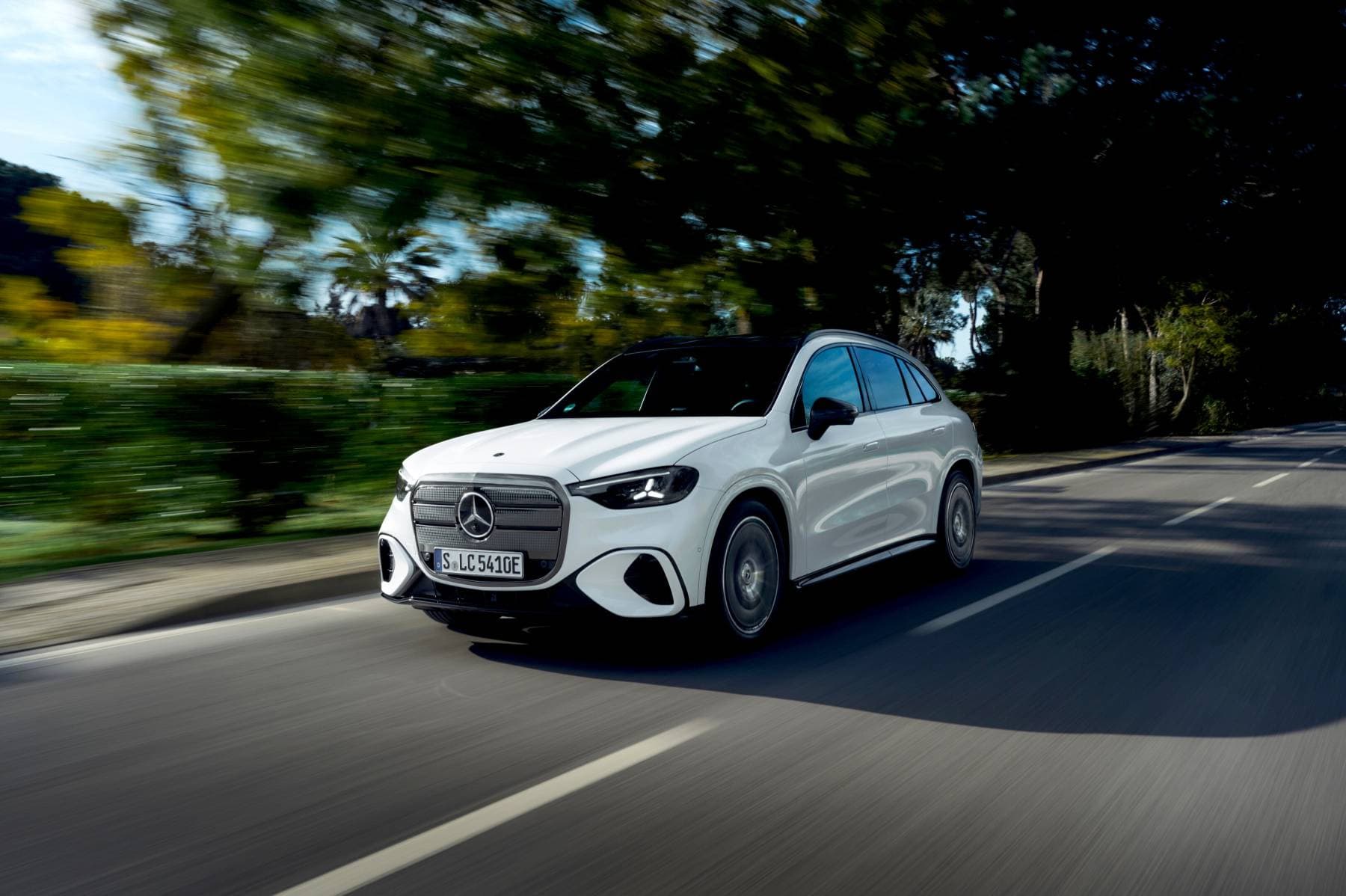
A plug-in hybrid combines a combustion engine with an electric motor fed by a battery you plug in. It runs on electricity over a limited distance, often a few dozen kilometres, then switches to the combustion engine. The Mercedes-Benz GLC 300e in the catalogue, for instance, claims around a hundred kilometres on electricity before handing over.
The practical difference fits in one sentence. Electric forces you to think about charging, a plug-in hybrid lets you forget about it, at the cost of a real benefit that depends entirely on your discipline in plugging it in.
Why the question is different when you are not buying
This is the point most comparisons overlook. On a purchased electric car, three unknowns weigh on the owner, and they weigh heavily.
The first is resale value. The used electric market is young and volatile, and a model's value can slide quickly when a rival launches a longer-range generation. The second is the battery, whose state of health after several years remains hard for a private owner to anticipate. The third is the pace of technology, which makes a four-year-old vehicle distinctly less desirable than a combustion car of the same age.
Paying for use rather than ownership shifts those three unknowns. You drive during the period when the car is at its best, and what it will be worth afterwards is no longer your concern. That is probably the strongest argument in favour of a subscription in this particular segment, even more so than with a combustion car.
What the fleet offers today
Better to be straightforward about the actual state of the catalogue than to write a guide detached from reality.
The Porsche Macan 4 is one of the fleet's 100% electric cars. Three hundred and eighty-seven horsepower, zero grams of CO₂ at the tailpipe, available immediately. You can open its page to see the details and the amount corresponding to your country.
Plug-in hybrids, on the other hand, are the heart of the fleet, with six models out of fourteen. They include SUVs such as the Mercedes-Benz GLC 300e and the GLE 400e, the Porsche Cayenne E-Hybrid, and two Range Rover Sport. The full line-up is visible on the fleet page, which lets you filter by powertrain.
So the situation should be read for what it is. If you are looking for a wide choice of 100% electric vehicles, the fleet does not yet answer that need. If you are looking to cut your consumption on daily journeys while keeping a combustion engine for long distances, the offer is far richer.
The three figures to look at, and no others
On an electric car, the claimed range is the most discussed and the least reliable figure, because it is measured on a standardised cycle that bears no resemblance to your journey. Three elements say a great deal more.
The usable battery capacity, expressed in kilowatt-hours, which gives the real reserve. The accepted charging power, which determines how long you will spend at a fast charger, and which matters more than range as soon as you regularly travel far. And the average consumption observed in your own use, which turns the first two into real kilometres.
On a plug-in hybrid, only one question really counts: does your daily journey fit within the electric range. If it does, you drive on electricity during the week and keep the combustion engine for trips away. If it does not, you are carrying a battery you never use, and the benefit collapses.
Belgium, Luxembourg, France: what changes and what does not
What changes first is the displayed amount, and for a reason that has nothing commercial about it. VAT is not at the same rate in the three countries: 21% in Belgium, 20% in France and 17% in Luxembourg. With an identical pre-tax base, the same car under the same contract therefore appears at three different amounts. Each page shows yours.
What changes next, and what this guide will not claim to settle, is the tax treatment and the incentive schemes, which differ from one country to another and change from year to year. Check the rule in force where you are at the moment you sign, or have it checked, rather than relying on an article.
What does not change, however, is the content of the contract. Everywhere, the monthly payment bundles comprehensive insurance, servicing, summer and winter tyres, and vehicle taxes. The vehicles are registered in the fleet's name, in Luxembourg and in Belgium.
Electricity remains at your expense
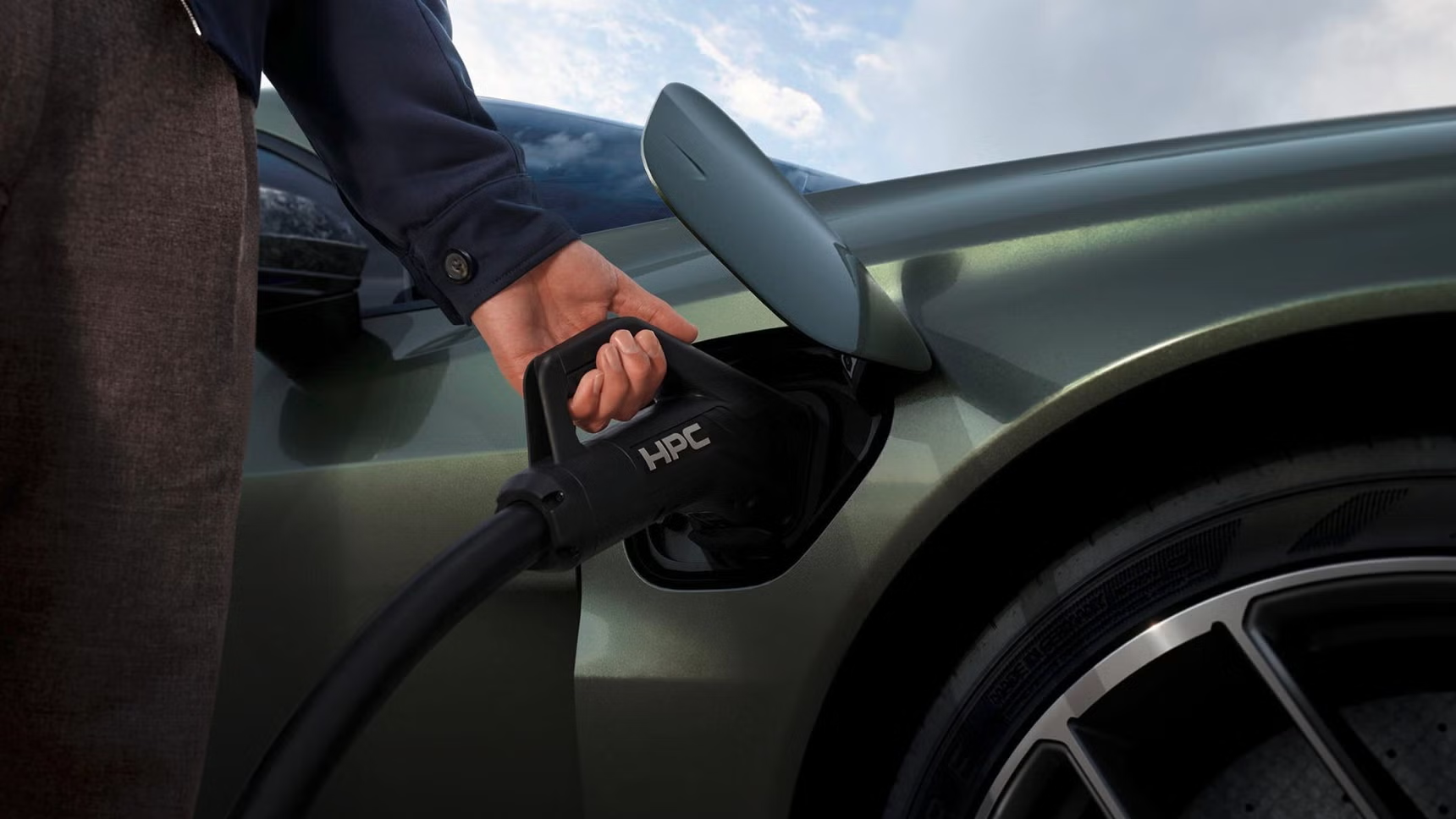
The point is simple but it often comes as a surprise, so it is worth writing down. Charging is not included in the monthly payment. It replaces fuel, it does not remove it from your budget.
Charging at home overnight costs a fraction of an equivalent tank of fuel, while charging at a fast charger on the road costs considerably more, sometimes to a degree that brings the cost per kilometre close to that of a combustion car. Your real saving therefore depends above all on where you plug in, not on the model you choose.
The other two variable items are the same as on any contract: kilometres driven beyond the package you subscribed to, and delivery, included in Belgium and Luxembourg and offered as an option elsewhere.
FAQ: electric car leasing
Does an electric car on subscription cost less than a combustion one?
That depends far more on where you charge than on the contract itself. Home charging widens the gap in favour of electric, fast charging on the road narrows it sharply.
Is charging included in the monthly payment?
No. Electricity replaces fuel, it does not remove it from your budget. What the monthly amount bundles is comprehensive insurance, servicing, both sets of tyres and vehicle taxes.
Is a home charging point provided?
No, it is not part of the contract. Its installation remains a separate investment.
Who carries the risk of battery ageing?
The fleet, since it remains the owner of the vehicle. You hand the car back at the end of the contract; its residual value and the state of its battery are not your concern.
Which range figure should you look at when choosing an electric car?
Not the one quoted in the brochure, measured on a standardised cycle that bears no resemblance to your journeys. Look instead at the usable battery capacity, the accepted charging power, and the consumption observed in your own use.
How do I know whether a plug-in hybrid suits me?
One question settles it. Does your daily journey fit within its electric range. If it does, you run on electricity during the week and keep the combustion engine for trips away.
Is there any point in a plug-in hybrid if I never plug it in?
Very little. You would be driving on the combustion engine while carrying the weight of an unused battery. That is the only case in which this type of powertrain is a poor choice.
Are there many electric cars at Turismo?
Just one to date, the Porsche Macan 4. Plug-in hybrids are better represented, with several SUVs. The fleet page shows the current line-up, which evolves as cars come and go.